ACRIDICON-CHUVA
  • Blog
  • About
  • Contact

The permits are in hand!

8/29/2014

3 Comments

 
Picture
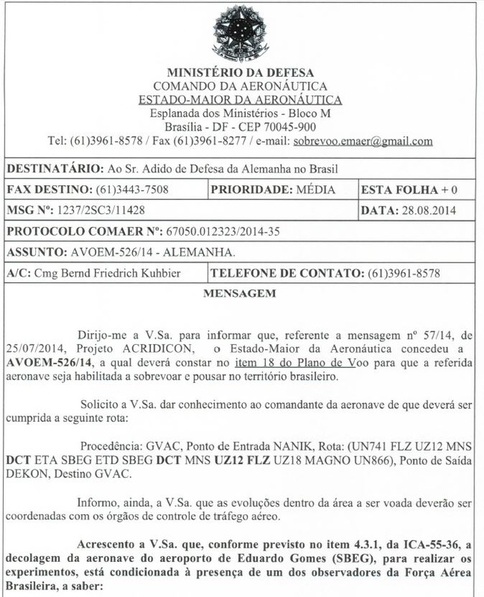
Yesterday and today, we received the two most important documents for the ACRIDICON-CHUVA campaign, the permit from the Brazilian government to fly over Brazil and the permit by the German aviation authorities to operate the aircraft as instrumented for the campaign!
3 Comments

AC04 - A round trip across Germany - 27 August 2014

8/29/2014

1 Comment

 
Picture
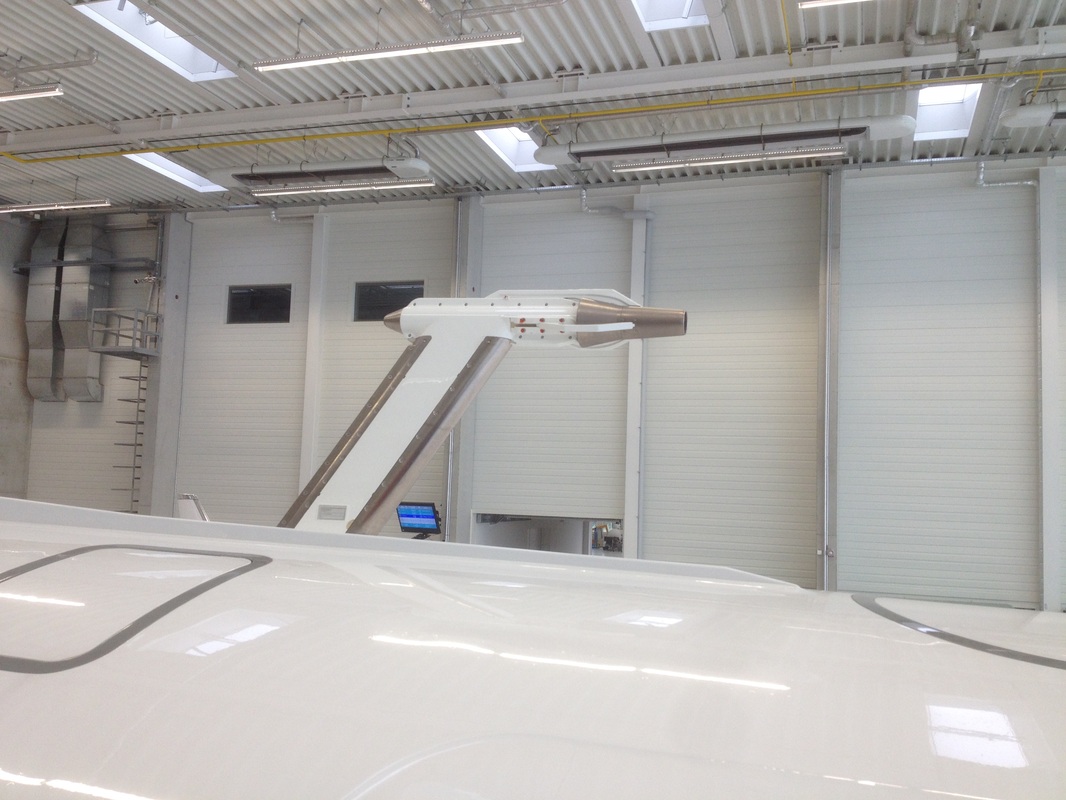
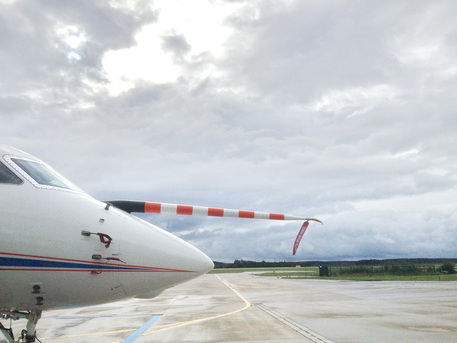
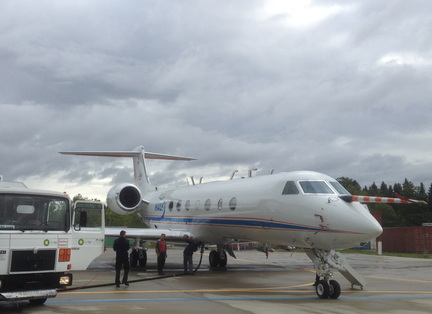
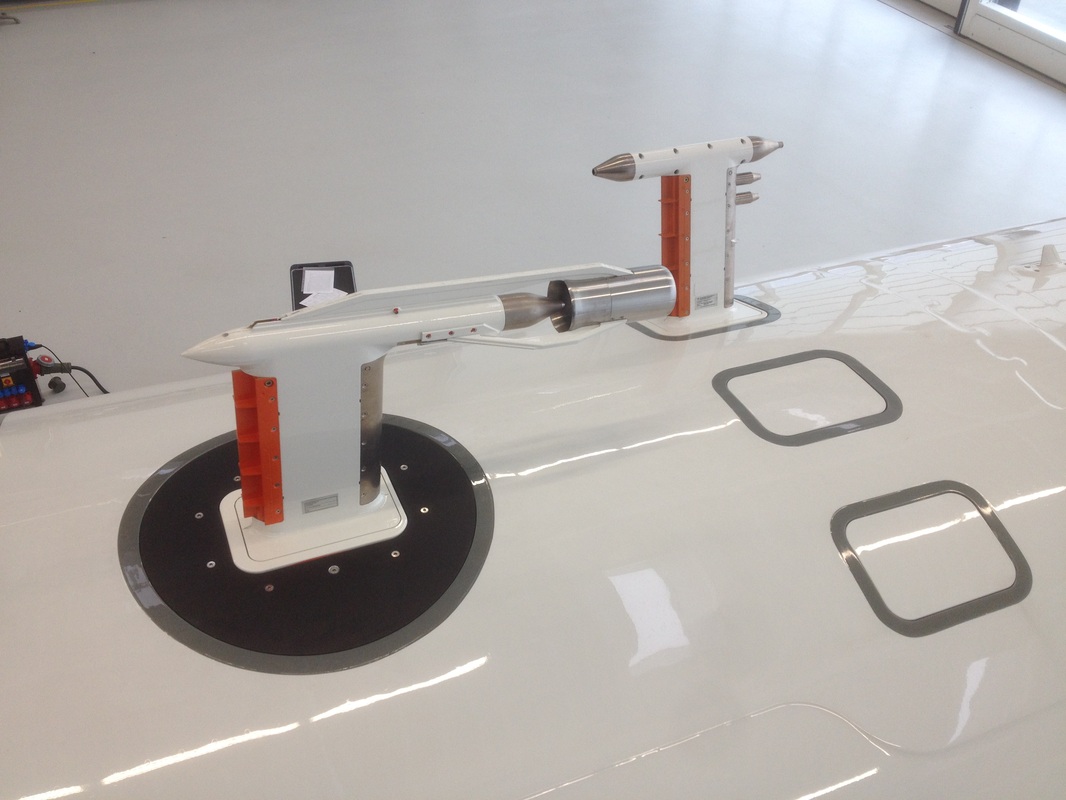
The goal of the second flight today was mostly to test the instrument operations in clouds, including the sampling of cloud drops and ice particles with an instrument called Counterflow Virtual Impactor, or CVI. The CVI inlet is one of the many probes and intakes that are mounted on top of the aircraft. You can see the probes on the picture to the left, which was taken during fueling of HALO. The CVI and some other inlets can be seen in more detail on the pictures below. For more information on these inlets see http://www.enviscope.de/engineering/inlet-systems/

Picture
The CVI inlet (front) and a trace gas inlet (TGI)
Picture
The HALO Aerosol Standard Inlet (HASI)
Picture
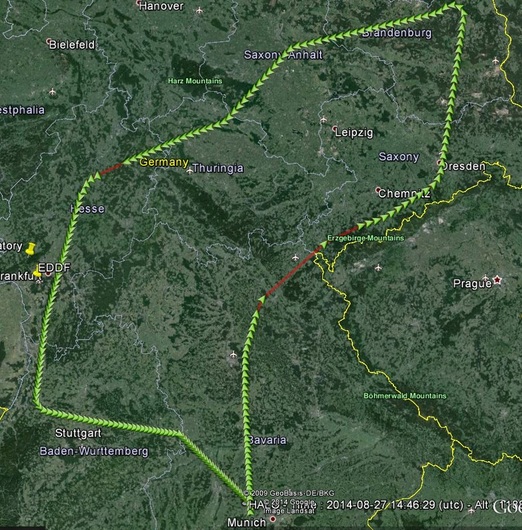
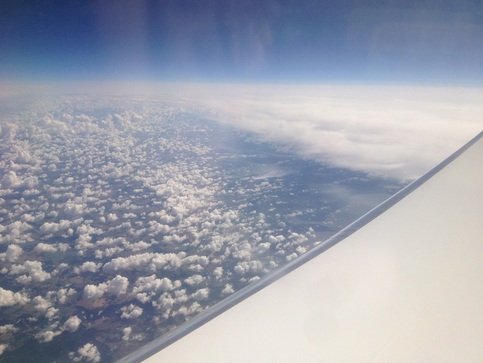
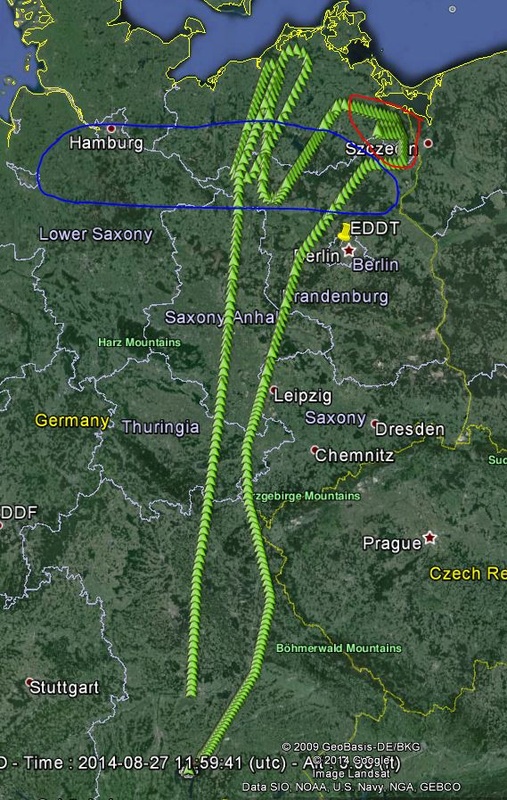
The flight took off 1240Z (1440 local time) and followed the tracks shown at right. Unfortunately, by now all the high ice clouds had vanished, and only cumulus clouds could be sampled at 8000' over southern Germany. Nevertheless, the science team was able to successfully test the operation of the instruments, including switching back and forth between the different inlets.

HALO landed again at 1450Z in Oberpfaffen-hofen. This was the last of the test flights, and the next flight will be the transfer flight to Manaus in the Brazilian Amazon!

1 Comment

Oberpfaffenhofen - Rostock, and back - 27 August 2014

8/29/2014

0 Comments

 
Picture
Today we conducted two flights on HALO, the last test flights before the aircraft is scheduled to leave for the Amazon, and my first experience as flight scientist on HALO. The weather in the morning was similar to what we had yesterday, a mostly cloudy sky, with all sorts of low and high clouds and the occasional glimpse of the sun, as well as the occasional rain shower.
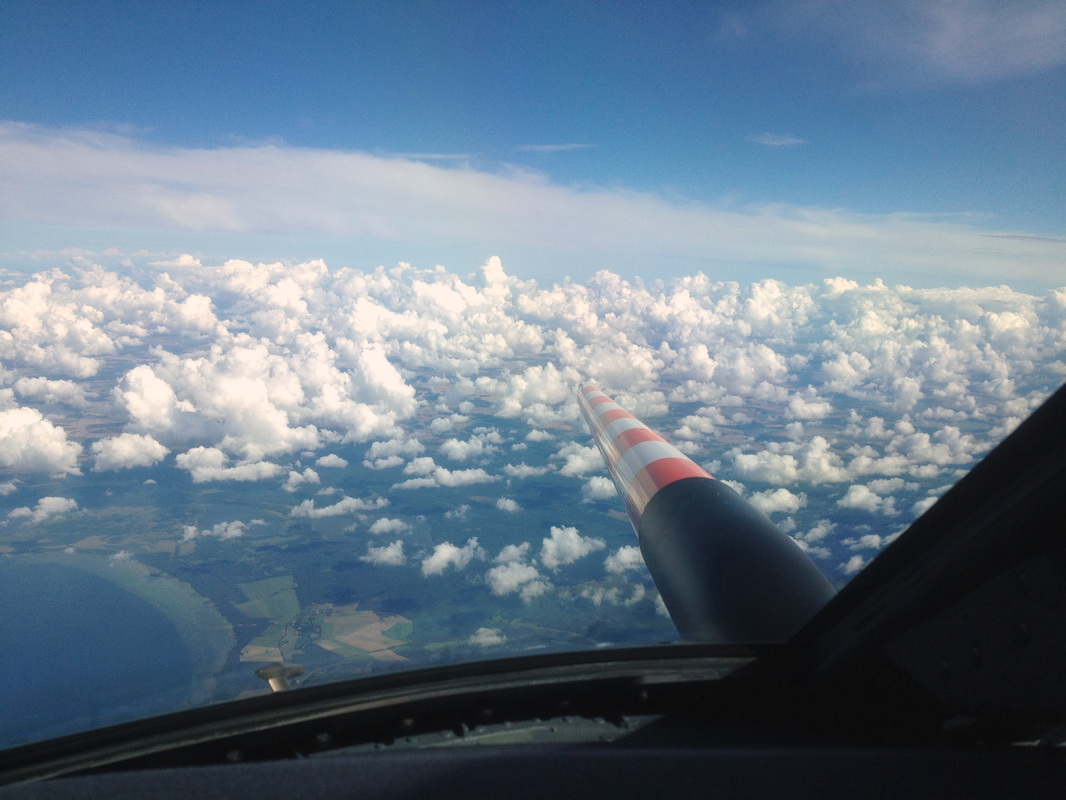
We took off at 0828Z (or 1028 local time) and encountered some scattered small cumulus with bases below 1000'. On our way north we climbed though a variety of cloud types, with some fairly tall cu's reaching to about 18,000'.
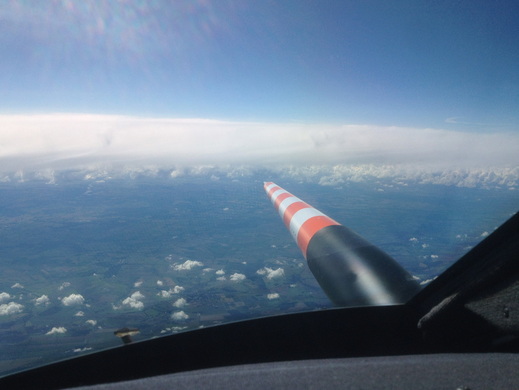
We passed over a broad band of altostratus that was moving south from the German coast and reached its northern edge just east of Schwerin. The blue line in the track plot below shows the approximate location of this band. From our flight altitude of 41,000' we could nicely see the northern edge of the cloud band, and to the north of it a field of developing small cumulus. Note also the lack of cu's in the region shielded by the stratus cloud.

Picture
At our altitude, we were clearly in the stratosphere. It was impressive to see how dark blue the sky was above us. At this level, only about 18% of the atmospheric mass is still above us!
To investigate the stratus cloud, we successively descended to 21,000' and headed south to enter the cloud (below).

Picture
The temperature in the cloud was about -40 C, and it consisted only of ice particles. The air in the cloud was almost smooth, only a slight bumpiness indicated the slow vertical motion of the air. Once our measurement objectives in the ice cloud were accomplished, we went on to investigate the cumulus clouds, that by now were growing quite impressively.

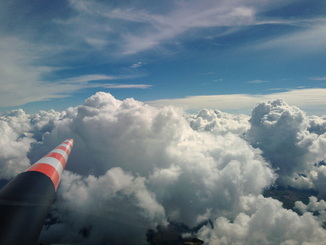
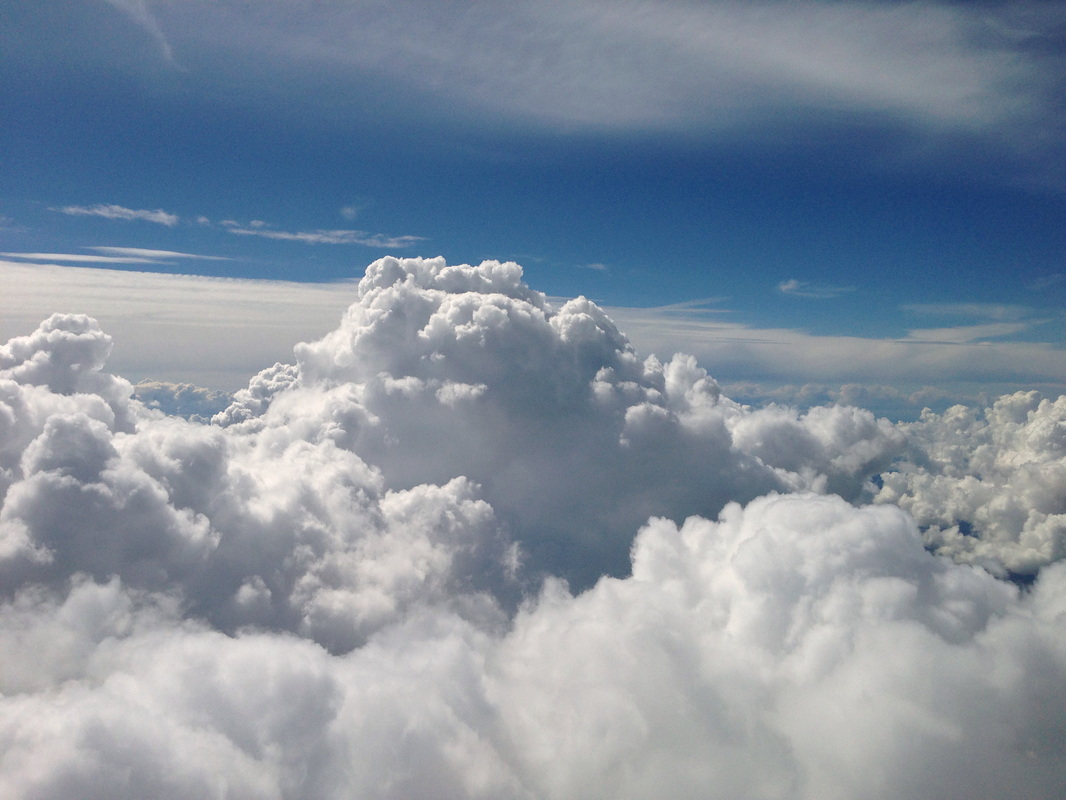
First, we aimed for the prominent cloud top that shows in the middle of the picture on the right, but when we reached it, the cloud had run out of steam, and the top was already decaying. We then looked for more promising targets and found some excellent candidates of growing cu's. We went through these clouds at 12,000' and at temperatures around -4 C. At these temperatures, the clouds consisted still of supercooled water, but a look at some of our PMS measurement probes on the wings showed a small amount of icing. The turbulence in these clouds was quite noticeable, but not enough to upset anyone's stomach. The cloud penetrations were conducted in the region outlined in red on the flight track below.
Picture
Picture
Picture
Once we had enough data from the cumulus clouds, we climbed up again to 27,000 feet, and turned towards home. On the way back, we conducted some tests on the behavior of the PMS probes at different speeds and on the effect of a slight side-skid of the aircraft behavior. At 1140Z we landed back at Oberpfaffenhofen in very light rain.
(Thanks to Pilot Steffen Gemsa for some of the pictures above!)

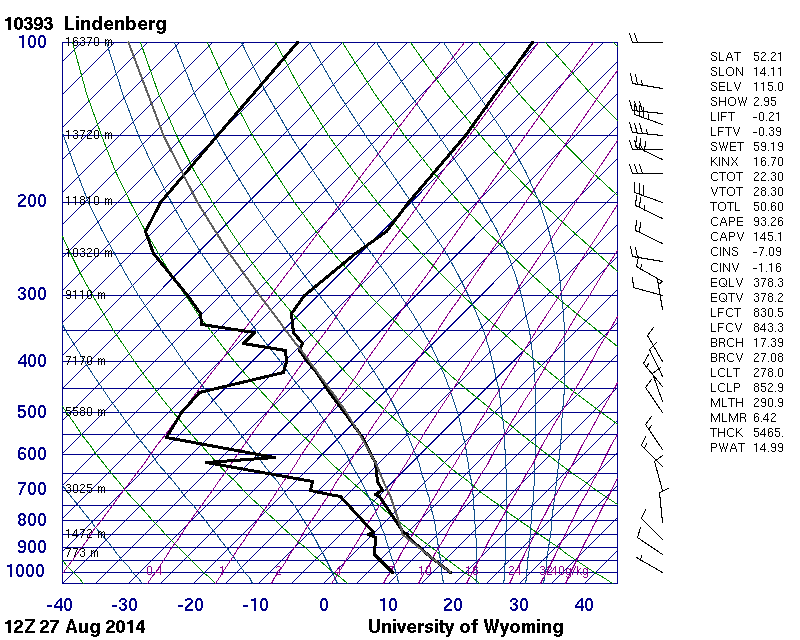
Below, I include the flight track and the temperature soundings from Lindenberg.
Picture
Picture
0 Comments

Oberpfaffenhofen, 26 August 2014

8/27/2014

0 Comments

 
0800 LT: Morning briefing. The decision to hold two test flights on Wednesday, 26 August, was confirmed. The scientific instruments and aircraft systems are generally operational, with the exception of the Satcom system, which had failed on the Sunday test flight and was n/op Monday. A telecom with the Satcom group is scheduled for 1000LT. The mission sequence and characteristics for tomorrow are to be decided at the 1400LT briefing.

1000 LT: Satcom telecon discussion. There is no clear idea about the source of the problem. Ingrid will come at 1300LT to test the system. HALO will be rolled out of the hangar for this purpose.

Weather conditions: Mostly overcast, with few sunny spells. Strong westerly winds.
1330 LT: Satcom is working. Problem may have been with initialization of system. Chat and file transfer were successful, live tracking works partially.
Picture
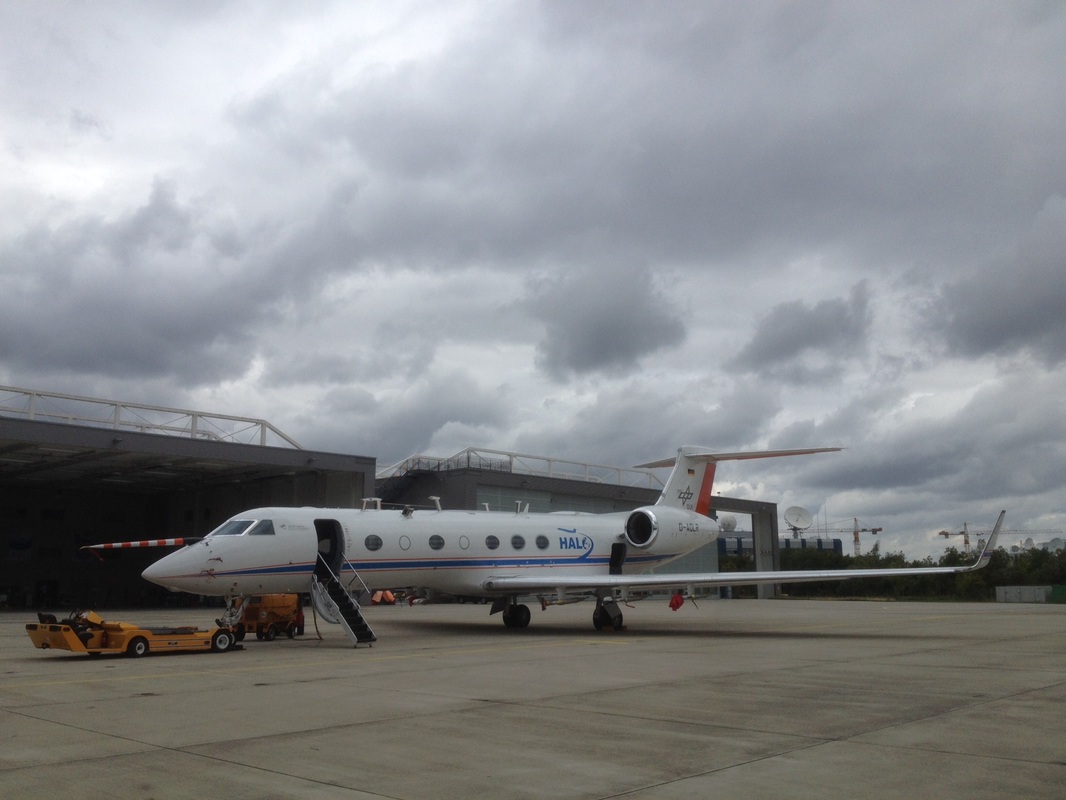
HALO in front of the hangar at DLR
1400 LT: Science team meeting. Weather forecast tomorrow is for mostly cloudy conditions tomorrow, with some clearing during the day. Light rain expected, decreasing in the afternoon/evening.

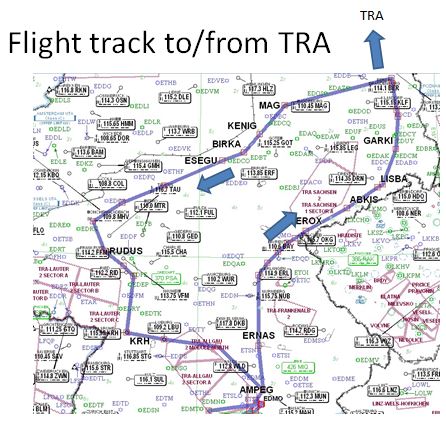
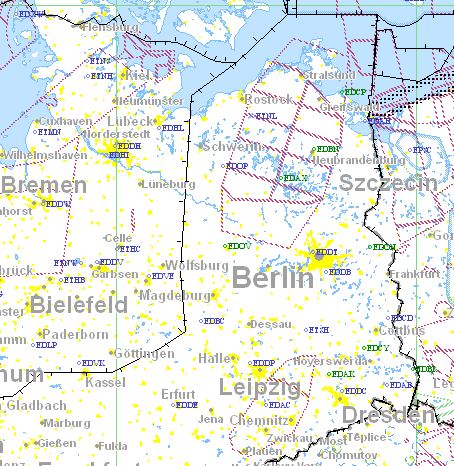
We are planning for two flights tomorrow. The first will emphasize aerosol and cloud microphysics measurements around and in the tops of growing clouds. The flight track will go to northern Germany and the cloud studies will take place in a specially designated area (TRA). The second flight will focus only on measurements in clouds and will follow a similar flight track.
Picture
Picture
Mecklenburg-Vorpommern TRA
Picture
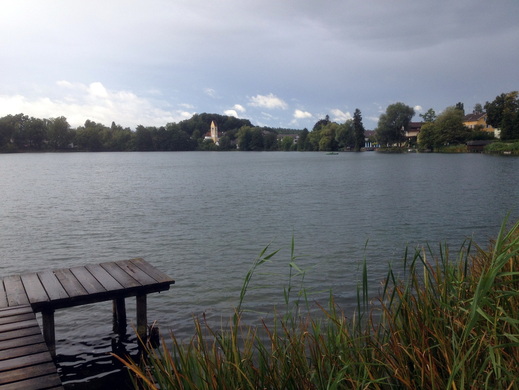
I'm staying at a the Hotel Seehof, a nice small hotel in Wessling, a little village just a few km from the DLR and the airport that HALO flies from. The hotel is on a very small lake surrounded by reeds and a few small boathouses. The hotel's beer garden is right on the lake - all very idyllic, but unfortunately the weather is too cool to enjoy sitting outside, and that in August, in the middle of summer.

0 Comments

    Author

    I'm M. O. "Andi" Andreae, one of the coordinators and flight scientists of the ACRIDICON-CHUVA scientific campaign. I work at the Max Planck Institute for Chemistry in Mainz, Germany

    Archives

    October 2014
    September 2014
    August 2014

    Categories

    All

    RSS Feed


Powered by Create your own unique website with customizable templates.